
Eugene’s Education in Friendship
Eugene OneginThis thread traces Eugene and Lensky’s unlikely companionship from mutual curiosity through ethical failure and permanent loss.
increasing Bearing strength in each event
 decreasing
Bearing strength in each eventdecreasingOpposites Meet
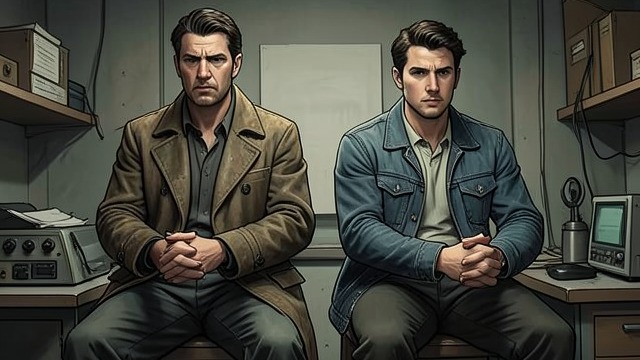
Opposites Meet
An unexpected pairing
Eugene is worldly and skeptical; Lensky is young, idealistic, and freshly returned from Germany. Their differences initially produce mutual irritation.
Riding together and sharing time gradually makes them companions.
Friendship from circumstance
The narrator suggests that idleness helps bring them together as much as deep affinity does.
Their friendship nonetheless gives Eugene someone whose sincerity he can observe, and Lensky someone who listens without entirely sharing his beliefs.
Talk Between Contraries
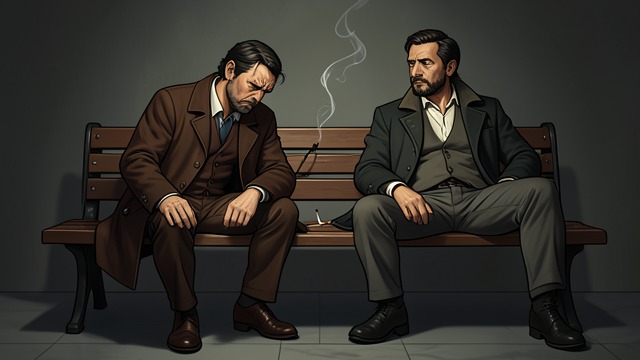
Talk Between Contraries
Debate and listening
The friends discuss life, fate, science, society, and passion. Lensky speaks with the confidence of youth, while Eugene often withholds a skeptical response.
Eugene sometimes chooses not to puncture Lensky’s happiness, believing time will teach him what argument cannot.
Affection beneath difference
Their debates do not erase the gulf between their temperaments. Instead, they establish a pattern in which Eugene’s restraint can look like care and Lensky’s openness can look like trust.
That pattern makes the eventual breach more consequential.
The Fête’s Breach
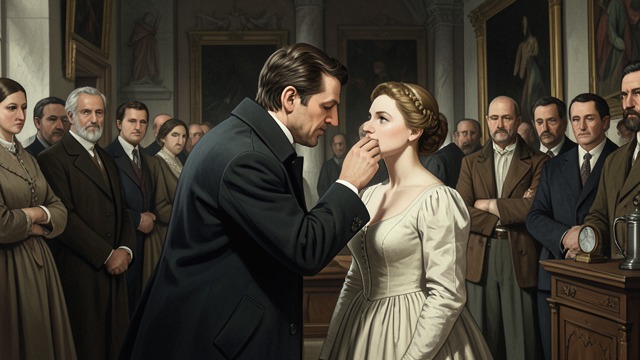
The Fête’s Breach
Eugene’s careless choice
Eugene, irritated by the crowded celebration, chooses to flirt with Olga in order to provoke Lensky. He treats a friend’s feelings as a convenient instrument for revenge.
Lensky interprets the conduct as an insult to his love and his trust.
Friendship under pressure
Eugene sees that the provocation is trivial, but he does not immediately repair it. Social expectations and pride begin to matter more than the friendship itself.
A private bond is now exposed to the rules of public honor.
Regret Before the Duel
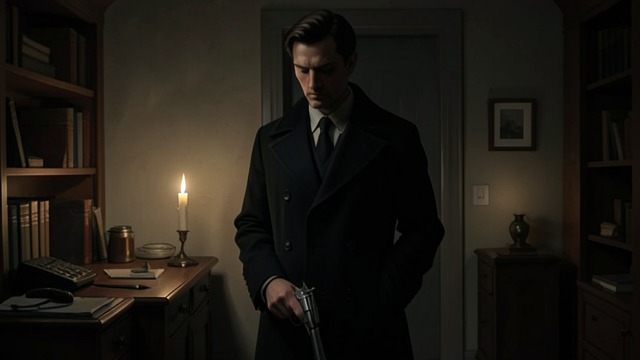
Regret Before the Duel
A moral recognition
Eugene privately admits that he should have dismissed Lensky’s youthful anger and explained himself. He knows he acted unfairly toward a friend who loved him.
His conscience identifies a humane alternative before the duel begins.
Fear of public judgment
Zaretski’s involvement and the anticipated judgment of society make Eugene reluctant to withdraw. He chooses the accepted form of honor over the action his conscience recommends.
The delay converts regret into a choice that cannot be undone.
The Friend’s Death
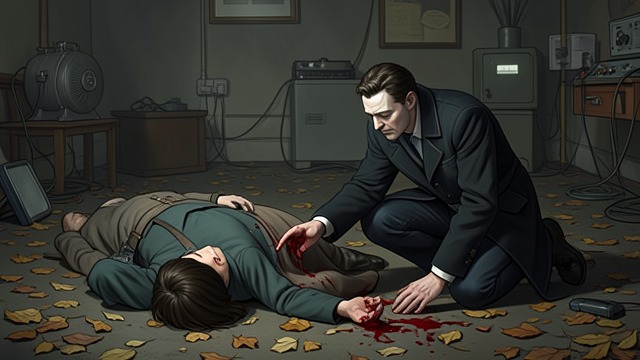
The Friend’s Death
The shot
Eugene fires and Lensky falls. The duel ends the friendship in an instant, leaving no opportunity for explanation or reconciliation.
The young poet’s death makes the cost of social performance physically final.
Remorse without repair
Eugene approaches the body and recognizes that Lensky is gone. His grief does not absolve his earlier decisions.
The loss follows him as a bloodied memory, shaping his later alienation and travel.
after Lensky settles in the district
during the friends’ rural conversations
during Tattiana’s name-day celebration
after Eugene receives Lensky’s challenge
at the windmill on the duel morning
